What Provenance Means for Digital Art Collections
Provenance is the story of where a work came from and how it changed hands. On Solana, that story leaves public traces — if you know which ones to read.
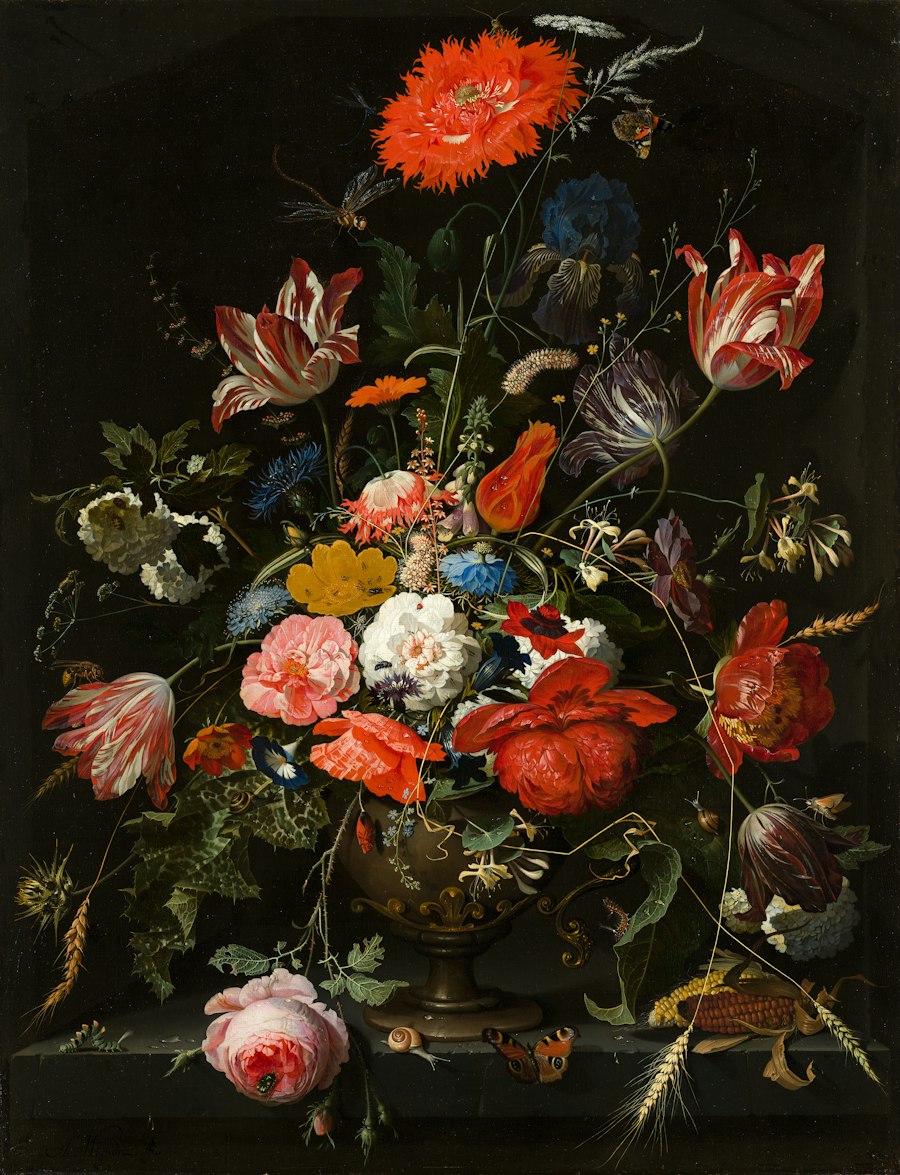
Traditional galleries maintain paper files: invoices, condition reports, exhibition histories. Digital collections on Solana produce a parallel file made of transaction signatures, metadata updates, and timestamped events on a public ledger.
Creation events
The first mint transaction establishes when tokens entered circulation. Compare that timestamp with the creator's public announcements. Large gaps may reflect delayed launches or reopened mints — both worth noting in your notes.
Transfers versus sales
Not every wallet movement is a sale. Airdrops, gifts, and consolidations look similar in raw explorer views. Context from marketplace receipts or social announcements helps separate commercial transfers from administrative ones.
Metadata updates as chapters
When update authority is exercised, the chain records a change event. Document what changed: image swap, trait correction, or royalty adjustment. Each edit becomes part of the work's living history.
Off-chain complements
Interviews, studio photographs, and edition contracts still matter. Provenance on-chain and off-chain should reinforce each other. When they diverge, treat the gap as a question for the creator rather than an accusation.
Our curation consultations often begin with a provenance map drawn on paper before anyone opens a wallet. Ask us if you are planning a local exhibition that references Solana collections.